
The velvet curtains part and a single soprano voice rises above the orchestra, shimmering like liquid gold in a dark hall. It is intoxicating, but without a map, the sheer scale of a three-hour production feels like staring into a dense, beautiful fog.
You deserve a clear path to understanding these grand stories. By sorting through the Best Opera Recordings for Beginners, you can finally connect with the emotional weight of the music rather than feeling like an outsider at an exclusive party. Let us walk through these resources together.
Key Takeaways
- Prioritize guides that explain the narrative structure and historical context of the plots alongside the musical performance.
- Seek out recordings that feature clear, high-quality audio restoration if you are interested in historical operatic voices.
- Look for books that include glossaries or indices of key terms to help you track specific composers and vocal styles.
- Select instructional materials that provide audio accompaniment to bridge the gap between reading music and hearing it.
- Choose volumes that balance technical critique with the personal, witty observations that keep long operas feeling accessible.
| Essential Historical Primer |  |
The History of Opera For Beginners | Clear historical timeline | Accessible narrative style | Contextualizes major composers | View on Amazon | Read Review |
| Expert Discography Reference | 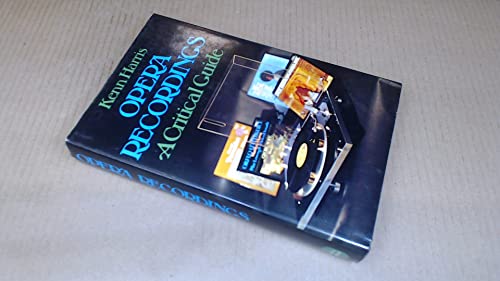 |
Opera Recordings A Critical Guide | Sharp performance analysis | Detailed cast comparisons | Critical listening advice | View on Amazon | Read Review |
| Witty Plot Companion | 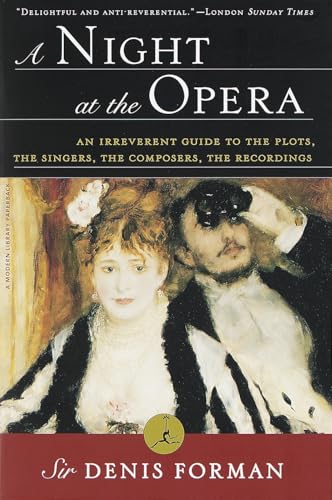 |
A Night at the Opera Guide | Engaging, funny writing | Helpful plot summaries | Practical recording recommendations | View on Amazon | Read Review |
| Vintage Audio Study |  |
First Opera Recordings Survey | Unique historical perspective | Detailed technical survey | Rare performance documentation | View on Amazon | Read Review |
| Instrumental Performance Bridge |  |
Easy Renaissance Guitar Pieces | Includes online audio | Beginner-friendly arrangements | Authentic Renaissance repertoire | View on Amazon | Read Review |
| Technical Piano Foundation |  |
Czerny Practical Method for Beginners | Proven pedagogical method | Includes online audio | Clear technical progression | View on Amazon | Read Review |
| Comprehensive String Introduction | 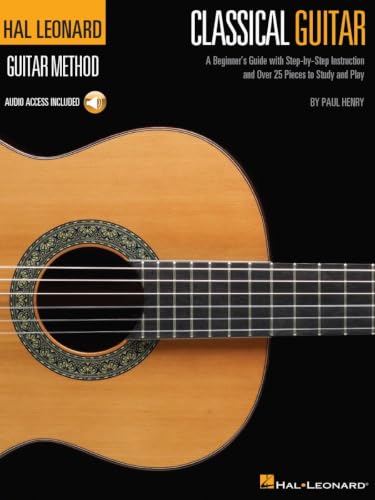 |
Hal Leonard Classical Guitar Method | Highly structured lessons | Helpful digital audio | Strong sight-reading focus | View on Amazon | Read Review |
| Collaborative Ensemble Training |  |
Trapp Family Recorder Method | Encourages group performance | Includes ensemble pieces | Authentic pedagogical approach | View on Amazon | Read Review |
| Broad Genre Sampler |  |
Best of Classical Various | Wide variety of pieces | Accessible selection | Good for broad discovery | View on Amazon | Read Review |
| Ultimate Beginner Masterclass |  |
Opera 101 Learning Guide | Highly readable format | Covers all essential topics | Encourages deeper appreciation | View on Amazon | Read Review |
More Details on Our Top Picks
-
The History of Opera For Beginners
Start your journey here if you want a foundational overview of how opera evolved over the centuries. It acts as a clear map through the dense forest of musical eras, moving from early baroque styles to the grand romantic works.
You will appreciate how it connects specific composers to the cultural shifts of their time. It is not an exhaustive encyclopedia, but it serves as a reliable entry-level guide for anyone feeling intimidated by the sheer scale of the repertoire.
- Content Type:Educational text
- Target Audience:Opera newcomers
- Focus Area:Historical development
- Publisher:For Beginners LLC
- Additional Feature:Chronological narrative structure
- Additional Feature:Introductory level analysis
- Additional Feature:Cultural context sections
-
Opera Recordings A Critical Guide
Selecting the right version of a famous opera is notoriously difficult, so use this guide to compare various interpretations. It breaks down the nuances of different conductors and vocal casts, helping you understand why one performance might sparkle while another feels dull.
Think of it as having a knowledgeable companion sitting next to you at the record store. It focuses strictly on the audio experience, though it avoids providing the actual music files themselves.
- Content Type:Reference guide
- Target Audience:Serious collectors
- Focus Area:Recording quality
- Additional Feature:Comparative performance reviews
- Additional Feature:Vocal style critiques
- Additional Feature:Conductor analysis
-
A Night at the Opera Guide
If you prefer your education with a side of humor, this book is for you. It demystifies the often convoluted plots of classic operas without taking itself too seriously, which makes it perfect for reading before your first night at the theater.
It covers a broad range of composers and identifies the best entry points for your collection. Keep in mind that its irreverent tone is meant to entertain, so it might not be the right choice if you want a strictly academic text.
- Content Type:Instructional guide
- Target Audience:Casual listeners
- Focus Area:Plot and recording advice
- Publisher:Modern Library
- Additional Feature:Composer biographies
- Additional Feature:Recorded performance tips
- Additional Feature:Narrative plot breakdowns
-
First Opera Recordings Survey
This survey provides a fascinating look at the very early days of sound technology. It captures the pioneering spirit of singers who stepped in front of early acoustic recording horns between 1895 and 1902.
It serves as a technical time machine, illustrating how the medium of recording changed our perception of operatic voices. Since the audio quality is limited by the technology of that era, it is best for those interested in the history of sound rather than pristine high-fidelity listening.
- Content Type:Historical survey
- Target Audience:Audio historians
- Focus Area:Acoustic recording era
- Additional Feature:Chronological recording analysis
- Additional Feature:Technical evolution insights
- Additional Feature:Early vocal methodology
-
Easy Renaissance Guitar Pieces
You might wonder why a guitar book is here, but these Renaissance transcriptions share the melodic DNA of early operatic airs. It is a fantastic way to develop your ear for classical phrasing while practicing your own technique.
The included online audio allows you to hear exactly how each piece should flow, which is helpful for internalizing the rhythm of early music. This is specifically for those who want to play along rather than just listen from the audience.
- Content Type:Sheet music
- Target Audience:Guitar students
- Focus Area:Technique development
- Audio Inclusion:Online tracks
- Additional Feature:61 total lute works
- Additional Feature:Pedagogical performance notes
- Additional Feature:Digital audio support
-
Czerny Practical Method for Beginners
Building a strong sense of musical structure is essential if you ever want to truly grasp the complexity of an opera score. These classic exercises help you develop the finger dexterity and rhythmic precision needed to appreciate the piano reductions of famous arias.
The online audio acts as a reliable metronome and guide for tone, ensuring you do not develop bad habits. It is a rigorous path, but it provides the discipline required to understand how classical music is constructed.
- Content Type:Instruction book
- Target Audience:Piano students
- Focus Area:Technical proficiency
- Audio Inclusion:Online tracks
- Publisher:Hal Leonard
- Additional Feature:Etudes for technique
- Additional Feature:Online practice support
- Additional Feature:Graded musical exercises
-
Hal Leonard Classical Guitar Method
If you want to understand the intricacies of fingerstyle play, this book provides the blueprint. It is a structured approach to learning the fundamentals of the guitar, which remains a primary instrument for many intimate operatic accompaniments.
The addition of online audio files is a major benefit, as it helps you match your sound to the intended dynamics. While it does not teach opera specifically, it builds the foundation for musical literacy that every fan eventually acquires.
- Content Type:Method book
- Target Audience:Beginning guitarists
- Focus Area:Fingerstyle technique
- Audio Inclusion:Online tracks
- Publisher:Hal Leonard
- Additional Feature:Sight-reading exercises
- Additional Feature:Repertoire building
- Additional Feature:Online playback access
-
Trapp Family Recorder Method
Learning to play in a group is a central part of opera, and the recorder is an accessible way to experience harmony and polyphony. This method book focuses on the joy of making music with others through duets and quartets.
The Trapp family lineage brings a sense of tradition to these lessons. It is perfect if you want a low-pressure way to learn the basics of musical notation and ensemble balance at home.
- Content Type:Instruction book
- Target Audience:Recorder players
- Focus Area:Ensemble playing
- Additional Feature:Duets and quartets
- Additional Feature:Embellishment instructions
- Additional Feature:Practice songbook format
-
Best of Classical Various
Sometimes you just need a wide-ranging introduction to see which composers grab your attention. This collection pulls together highlights that act as a gateway to the broader world of classical music and opera.
It is a low-stakes entry point for your home library, allowing you to sample different styles without committing to a full four-hour production. Use it to build a mental list of the composers you might want to explore further.
- Content Type:Compilation
- Target Audience:Music enthusiasts
- Focus Area:General classical
- Additional Feature:Diverse composer representation
- Additional Feature:Curated highlights
- Additional Feature:Introductory listening experience
-
Opera 101 Learning Guide
This book is widely considered the gold standard for those who want to learn and love the genre. It covers everything from the history of voice types to the etiquette of the opera house, removing the intimidation factor entirely.
It is structured to make you feel like an insider before you even attend your first performance. The thorough explanations ensure that you understand the "why" behind the music, making the experience much more meaningful.
- Content Type:Educational guide
- Target Audience:Opera beginners
- Focus Area:Comprehensive overview
- Additional Feature:Voice type explanations
- Additional Feature:Theater etiquette advice
- Additional Feature:Composer and plot guide
Frequently Asked Questions
Do I need to understand Italian to enjoy opera?
Not at all. The music itself carries the emotional weight of the story regardless of the language. Most listeners rely on the translated text provided in the booklet to understand the specific plot points.
Why are some recordings so much more expensive than others?
Price often reflects the prestige of the cast or the rarity of the recording. Limited editions or box sets with thick, hardcover books command a higher price tag. Digital streaming is usually the most affordable way to access a vast catalog.
Should I start with short highlights or a full opera?
Start with an album of famous arias if you are feeling unsure. These collections give you the greatest hits without requiring a three-hour time commitment. Once you find a singer or composer you like, move to the full-length work.
What is the difference between an aria and a recitative?
An aria is a solo song that showcases the singer's voice and explores a specific emotion. A recitative is the spoken-style singing that moves the plot along between the big musical numbers. Both are essential parts of the operatic structure.
Can I listen to opera in the background while I work?
You certainly can, but opera is designed to be intense and immersive. Many people find that they enjoy it more when they give it their full attention for at least twenty minutes. It is a rich experience that rewards active listening.