
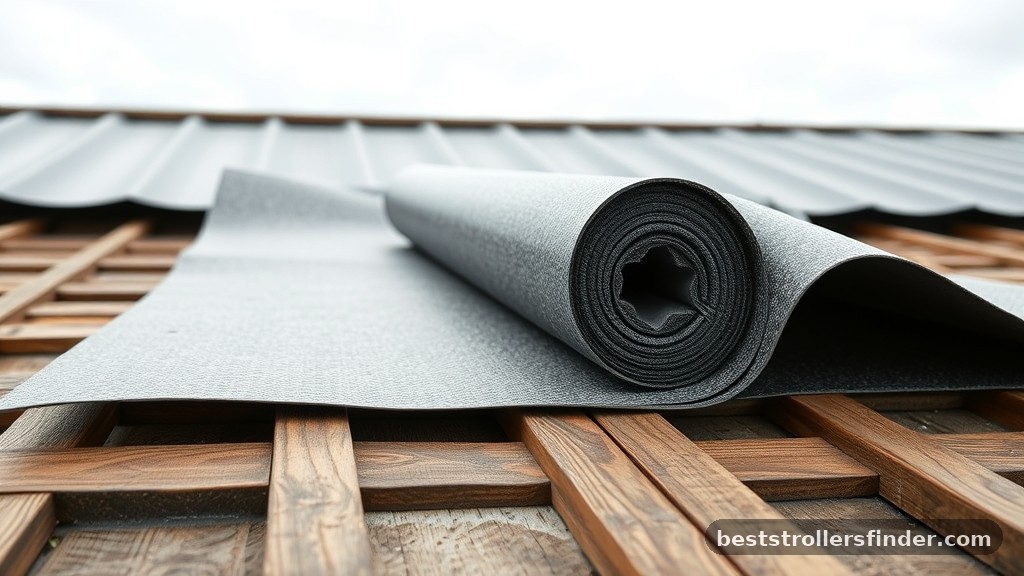
Roofing felt used to be the only option for contractors, sitting there like a soggy newspaper waiting to tear. Today, synthetic membranes and high-temp adhesives have completely changed how we protect a roof deck.
These modern materials act like a second skin for your rafters. Choosing the Best Underlayments for Tile Roof projects is about balance, so let us examine the specs that keep water out for the long haul.
Key Takeaways
- Prioritize high-temperature ratings if you live in a region where sun exposure causes thermal buildup under heavy tile.
- Check the thickness of the membrane because anything under 40 mil may not provide enough protection against nail punctures.
- Confirm the slip resistance of the surface to ensure safety for the installers who must walk on the steep slopes.
- Look for self-adhering properties that create a reliable water barrier around every fastener penetration.
- Verify that the material meets ASTM standards to guarantee it can actually withstand the pressure of your local climate.
| Premier Crack Prevention | 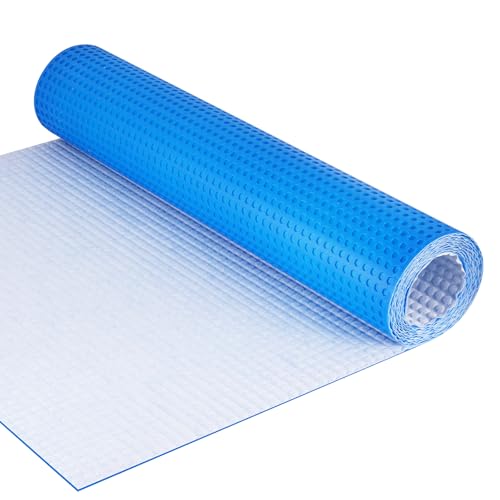 |
Uncoupling Membrane Waterproof Tile Underlayment | Excellent crack prevention | Waterproof barrier | Lightweight material | View on Amazon | Read Review |
| Industrial Grade Protection |  |
Synthetic PP Vapor Barrier Underlayment | High wind resistance | Meets strict ASTM standards | UV resistant surface | View on Amazon | Read Review |
| Elite Thermal Shield |  |
Platinum HT-B Butyl Underlayment | Excellent nail sealability | High-temp performance | Lifetime warranty coverage | View on Amazon | Read Review |
| Reliable Utility Solution | SIPA Synthetic Waterproof Underlayment | Lightweight and easy handling | High coverage area | Durable synthetic construction | View on Amazon | Read Review | |
| Master Leak Prevention |  |
Platinum HT-SA Self-Adhering Underlayment | Superior nail sealability | Excellent thermal stability | Lifetime warranty | View on Amazon | Read Review |
| Pro Contractor Staple |  |
Grip-Rite Synthetic Roofing Underlayment | Large 1000 square foot roll | Durable synthetic weave | Easy to install | View on Amazon | Read Review |
| Best Value Decoupling |  |
Houseables Uncoupling Tile Membrane | High coverage area | Anti-fracture properties | Waterproof material | View on Amazon | Read Review |
| High-Traction Surface | 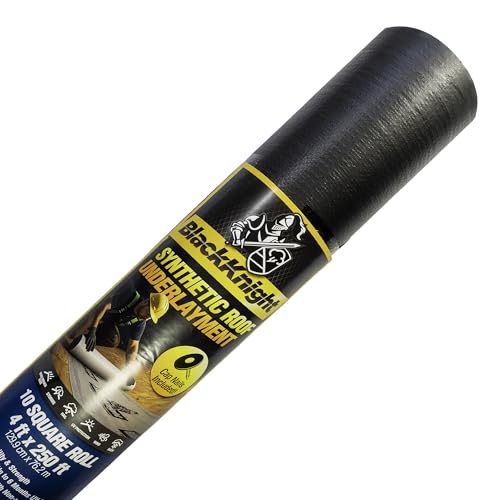 |
BlackKnight Synthetic Roofing Underlayment | Four-layer protection | Safe walkable surface | Professional grade durability | View on Amazon | Read Review |
| Reliable Waterproofing Classic | 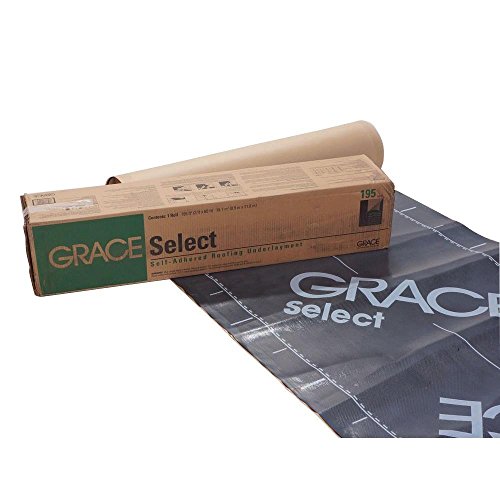 |
Grace Select Rubberized Underlayment | Strong rubberized seal | Trusted material quality | Excellent for valleys | View on Amazon | Read Review |
| Structural Integration Choice |  |
ZIP System Peel & Stick Underlayment | Integrated moisture seal | Slip-resistant surface | Easy installation | View on Amazon | Read Review |
More Details on Our Top Picks
-
Uncoupling Membrane Waterproof Tile Underlayment
If you are worried about minor foundation shifts causing your tile to pop or crack, this membrane is your best friend. It acts like a shock absorber between the roof deck and your tiles, effectively decoupling the two surfaces so stress doesn't transfer upward.
This is ideal for smaller, high-stress areas like bathrooms or specialized kitchen roof sections. You should keep in mind that this is a specialized thin mat, meaning it does not replace heavy-duty felt or synthetic sheets for the entire roof structure.
- Material Type:Polyethylene membrane
- Product Dimensions:54 square feet
- Thickness Rating:1/8 inch (3mm)
- Additional Feature:Decoupling technology
- Additional Feature:Waterproof design
- Additional Feature:Easy to cut
-
Synthetic PP Vapor Barrier Underlayment
This synthetic roll is built for the long haul. It handles the harsh reality of extreme weather with high UV resistance and a tear-resistant composition that keeps your roof deck dry during the installation process.
Because it meets strict HVHZ standards, you can trust it in hurricane-prone zones where wind uplift is a constant threat. Just remember that its large roll size is heavy, so you will want an extra pair of hands when hoisting it onto the roof.
- Brand Name:Generic/Unbranded
- Material Type:Synthetic Polypropylene
- Product Dimensions:48 inches by 250 feet
- Additional Feature:Vapor barrier membrane
- Additional Feature:Non-slip surface
- Additional Feature:Tear resistant
-
Platinum HT-B Butyl Underlayment
When you live in an area with dramatic temperature swings, you need an underlayment that stays flexible. This 100% butyl adhesive creates a tight bond that seals around every nail, preventing leaks from ever reaching your rafters.
It is particularly effective at eaves and valleys where ice dams or water backup can be a nightmare. The main trade-off is the aggressive adhesion, which makes it a permanent commitment once it touches the roof deck.
- Brand Name:Platinum
- Material Type:Butyl adhesive
- Product Dimensions:36 inches by 67 feet
- Thickness Rating:41 mil
- Installation Method:Self-adhering
- Additional Feature:Ice and water shield
- Additional Feature:UV resistant coating
- Additional Feature:ASTM certified
-
SIPA Synthetic Waterproof Underlayment
Sometimes you need a solid, no-nonsense layer that provides a dependable moisture barrier. This synthetic underlayment offers a straightforward, lightweight alternative to traditional asphalt felt without the risk of rotting or tearing over time.
It is a fantastic choice for large roofing projects where you need to cover significant ground efficiently. Since it is thinner than self-adhering membranes, make sure your deck surface is smooth to avoid any small bumps showing through your tile.
- Brand Name:SIPA
- Material Type:Synthetic
- Product Dimensions:48 inches by 250 feet
- Additional Feature:Waterproof surface
- Additional Feature:Tear resistant
- Additional Feature:100 GSM weight
-
Platinum HT-SA Self-Adhering Underlayment
If you are concerned about water infiltration, the self-adhering nature of this membrane offers a hermetic seal. It creates an impermeable layer that sticks directly to the deck, which is vital for steep-slope roofs with tile.
The high-temperature tolerance ensures it won't soften or migrate under the intense heat trapped by heavy tile roofing. Like other premium adhesive products, it requires careful alignment during installation because it is very difficult to pull up once placed.
- Brand Name:Platinum
- Material Type:Rubberized asphalt/Polymer
- Product Dimensions:36 inches by 67 feet
- Thickness Rating:41 mil
- Installation Method:Self-adhering
- Additional Feature:ASTM/CSA certified
- Additional Feature:UV resistant
- Additional Feature:Ice dam protection
-
Grip-Rite Synthetic Roofing Underlayment
This is a workhorse synthetic that contractors rely on for its balance of durability and weight. It covers a massive area per roll, which saves you from constant trips up and down the ladder to grab new materials.
It remains flexible even in cooler weather, so you do not have to worry about the material cracking while you roll it out. It is a mechanically fastened product, so verify your local building codes regarding required fasteners for your specific tile type.
- Brand Name:Grip-Rite
- Material Type:Synthetic
- Product Dimensions:48 inches by 250 feet
- Additional Feature:Walkable surface
- Additional Feature:UV stability
- Additional Feature:High tear strength
-
Houseables Uncoupling Tile Membrane
This membrane provides a cost-effective way to add a protective layer against subfloor movement. It functions as a vapor barrier while simultaneously preventing your tiles from bonding too aggressively to the roof structure.
If you are dealing with a concrete deck or a tricky substrate, this product is an efficient insurance policy for your finished tile work. Just keep in mind that you need to use the correct thin-set mortar to bond your tiles to the membrane correctly.
- Brand Name:Houseables
- Material Type:Polyethylene
- Product Dimensions:3.3 feet by 46.2 feet
- Additional Feature:Vapor control
- Additional Feature:Decoupling technology
- Additional Feature:Anti-crack surface
-
BlackKnight Synthetic Roofing Underlayment
Working on a steep roof is nerve-wracking, so having a high-traction surface makes a significant difference. This synthetic underlayment includes a four-layer protection system that keeps the roof deck dry while providing a safer surface for foot traffic.
The UV stability means it can be left exposed for a longer duration before the tile is installed. It is built for professional-grade performance, offering a robust shield that resists common job site hazards like scuffs and tears.
- Brand Name:BlackKnight
- Material Type:Synthetic
- Product Dimensions:4 feet by 250 feet
- Additional Feature:UV stable
- Additional Feature:Tear resistant
- Additional Feature:Moisture barrier
-
Grace Select Rubberized Underlayment
Grace has built a reputation on high-quality moisture protection, and this select version is a proven choice for critical areas. The rubberized asphalt construction flows around fasteners to create a watertight seal that lasts for years.
This is perfect for high-risk zones like valleys and roof penetrations. Because it is a self-adhering product, ensure the deck surface is clean and dry to get the best possible bond for long-term protection.
- Brand Name:Grace
- Material Type:Rubberized asphalt
- Product Dimensions:36 inches by 195 sq ft
- Installation Method:Self-adhering
- Additional Feature:Nail sealable
- Additional Feature:Waterproof barrier
- Additional Feature:High-temp resistance
-
ZIP System Peel & Stick Underlayment
If you are already utilizing the ZIP System for your roof deck, this underlayment is an ideal matching component. It uses a rubberized asphalt layer to provide a secondary moisture barrier that locks onto the roof deck with ease.
The slip-resistant surface is a nice touch for safety during the tile installation process. Be aware that this is designed for standard temperatures, so check your local climate requirements before committing to this specific variant.
- Brand Name:ZIP System
- Material Type:Rubberized asphalt
- Installation Method:Self-adhering
- Additional Feature:Nail seal barrier
- Additional Feature:Waterproof membrane
- Additional Feature:High-adhesion backing
Frequently Asked Questions
Can I use the same underlayment for clay tiles and concrete tiles?
Yes, both types of tiles exert significant weight and stress on the roof deck. You need an underlayment that is tear-resistant and capable of supporting the heavy load of concrete or clay. The primary difference is that clay tiles are often more fragile, so your installer must be careful during the process. Ensure your chosen material offers high friction to prevent the tiles from sliding once they are set.
Does the underlayment need to be self-adhering?
Self-adhering or peel-and-stick underlayment is excellent for preventing leaks around penetrations like vents or chimneys. It creates a tight seal that traditional mechanically fastened felts cannot match. While it costs more, it is often worth the investment in areas prone to heavy rain or ice dams. You do not necessarily need it for the entire roof, but using it in critical areas is a smart move.
How many layers of underlayment are necessary under tile?
Most building codes require at least one layer, but many experts recommend a double-layer system for tile roofs. Because tiles can crack or shift over time, a second layer provides a crucial safety net for your deck. This redundancy keeps your home dry even if a tile breaks during a storm. Check your local building codes to see if a double-layer installation is mandatory in your area.
How long should I expect the underlayment to last?
A high-quality synthetic underlayment can last 20 to 30 years when installed correctly under tile. Traditional felt usually has a shorter lifespan, often failing after 10 to 15 years in hot climates. Since replacing underlayment requires removing all the heavy tiles, you want the most durable material you can afford. Think of it as a long-term insurance policy for your roof deck.
Can I install new underlayment over the old stuff?
You should never install new underlayment over an old, failing layer. Doing so traps moisture between the two layers and prevents the roof deck from properly venting. It also adds unnecessary weight that your roof structure might not be designed to support. Always strip the old material down to the deck to ensure a clean, reliable installation.