
Most performers assume expensive gear is the only way to avoid signal dropouts. The reality is that modern digital systems now handle audio transmission with incredible efficiency at a fraction of the traditional cost.
Finding the Best Wireless in Ear Monitor System is about matching your frequency needs to your specific stage environment. Let these insights guide you toward the right tool for your monitoring setup.
Key Takeaways
- Prioritize systems that offer 5.8GHz connectivity to avoid the crowded signal interference often found on standard 2.4GHz Wi-Fi bands.
- Ensure the transmitter provides dual XLR or combo inputs if you require a true stereo mix during your performance.
- Check the latency specifications because any delay exceeding 5ms will feel distracting while you sing or play instruments.
- Confirm the number of channels available so you can manage multiple band members without overlapping signals or cross-talk.
- Verify the physical mounting options to decide if a rack-mountable system fits your studio or if a compact clip-on transmitter works better for touring.
| Best Overall Compact | 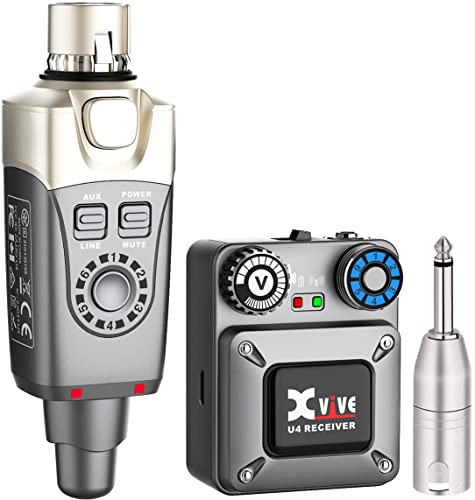 |
Xvive U4 Wireless Monitor Set | Extremely compact transmitter | High signal fidelity | Simple plug and play | View on Amazon | Read Review |
| Interference Resistant Choice |  |
Xvive U45 5.8GHz IEM System | Reliable 5.8GHz connection | Automatic channel scanning | Compact bodypack design | View on Amazon | Read Review |
| Best Multi-User Setup |  |
Phenyx Pro 4-Channel UHF System | Supports four simultaneous users | Consistent UHF signal | Rack mountable hardware | View on Amazon | Read Review |
| Reliable Digital Performer |  |
Xvive U45 Monitor System Pair | Superior 5.8GHz band | Quick auto-pairing | Lightweight receiver | View on Amazon | Read Review |
| Budget Friendly Stereo |  |
LEKATO MS-02 Stereo IEM System | True stereo sound | Fast auto-pairing | Low latency output | View on Amazon | Read Review |
| Professional Stereo Monitoring | 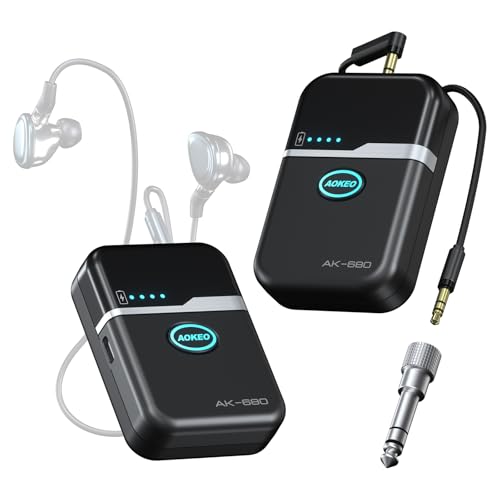 |
AOKEO AK-680 Stereo Monitor System | High fidelity stereo | Ultra-low latency | Professional build quality | View on Amazon | Read Review |
| Rack Mount Standard |  |
Phenyx Pro PTM-10 UHF System | 900MHz frequency band | Rack mountable chassis | Reliable signal range | View on Amazon | Read Review |
| Best With Cue Mic |  |
SWIFF AUDIO WX520 Monitor System | Integrated cue microphone | Charging case included | Mono/Stereo switch | View on Amazon | Read Review |
| Simple Small Gigs | 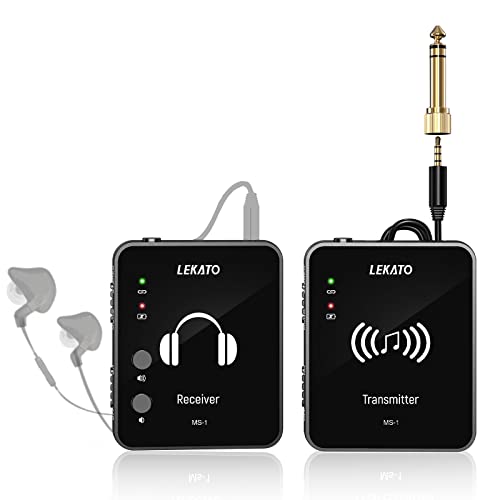 |
LEKATO MS-1 Monitor System | Extremely lightweight | Easy auto-pairing | Simple clip-on design | View on Amazon | Read Review |
| Ultimate Mixing Control |  |
Xvive U45D Dual Input System | Dual XLR inputs | Four monitoring modes | Pro-grade latency specs | View on Amazon | Read Review |
More Details on Our Top Picks
-
Xvive U4 Wireless Monitor Set
If you need a reliable, no-fuss solution for individual monitoring, this is the gold standard for portable audio clarity. It works like a charm for solo musicians who want to ditch the floor wedge without lugging around a rack of gear.
You will appreciate the clean signal transmission that keeps your mix tight. Just keep in mind that the battery life is limited, so you should monitor your usage during long sets.
- Operating Frequency:2.4GHz
- Input Configuration:XLR
- System Latency:Under 5ms
- Additional Feature:Rechargeable internal battery
- Additional Feature:Robust metal construction
- Additional Feature:XLR input connector
-
Xvive U45 5.8GHz IEM System
This system utilizes the 5.8GHz frequency band to avoid the heavy traffic found on common wireless channels. It is an excellent pick for musicians performing in crowded venues where digital interference usually ruins the mood.
The channel scan mode does the heavy lifting for you, finding a clear path for your audio. Because it uses a wider frequency spectrum, you should ensure your devices stay within a reasonable line of sight for the best results.
- Operating Frequency:5.8GHz
- Input Configuration:XLR
- System Latency:Under 5ms
- Additional Feature:Signal stability focus
- Additional Feature:Dedicated bodypack receiver
- Additional Feature:Streamlined transmitter unit
-
Phenyx Pro 4-Channel UHF System
When you have a full band to manage, this four-channel rack system keeps everyone on the same page. It is built to handle multiple musicians at once without signal cross-talk, making it a staple for worship teams or gigging groups.
The UHF frequency stability provides a predictable reach across the stage. Just remember that with four bodypacks to manage, you need a organized plan for battery replacements during your rehearsals.
- Operating Frequency:UHF
- Input Configuration:4-Channel
- Connectivity Range:164 ft
- Additional Feature:Selectable frequency channels
- Additional Feature:Individual volume controls
- Additional Feature:Metal chassis construction
-
Xvive U45 Monitor System Pair
This package offers a straightforward approach to wireless monitoring for performers who value efficiency. It mimics the ease of the U4 but provides the stability of the 5.8GHz band for those who play in dense environments.
You get a durable transmitter that clips onto your gear or sits on a pedalboard with ease. It is a workhorse, though you must stay aware of your distance to the transmitter to maintain the best audio quality.
- Operating Frequency:5.8GHz
- Input Configuration:XLR
- System Latency:Under 5ms
- Additional Feature:High resolution audio
- Additional Feature:Low latency performance
- Additional Feature:Compact transmitter design
-
LEKATO MS-02 Stereo IEM System
If you are looking for a stereo monitoring experience without spending a fortune, this unit fits the bill. It is perfect for small bands or churches that need a stereo image to hear their mix clearly.
The low latency performance keeps your timing sharp while you sing or play. Be aware that the 2.4GHz band can get busy, so you should keep your receiver close to the transmitter.
- Operating Frequency:2.4GHz
- Input Configuration:1/4 inch
- System Latency:Low latency
- Additional Feature:One-to-many connectivity
- Additional Feature:Rechargeable beltpack
- Additional Feature:Integrated volume control
-
AOKEO AK-680 Stereo Monitor System
This system offers a professional-grade stereo signal that helps you hear every nuance of your performance. It is a solid choice for studio recording sessions where accuracy is the main priority.
The ultra-low latency ensures that your monitor mix feels instantaneous and responsive. Like most high-frequency systems, it performs best when you maintain a clear path between the transmitter and the bodypack.
- Operating Frequency:5.8GHz
- Input Configuration:XLR
- System Latency:Low
- Additional Feature:Auto-sync pairing
- Additional Feature:Portable receiver design
- Additional Feature:High signal clarity
-
Phenyx Pro PTM-10 UHF System
Designed for those who want a permanent stage setup, this rack-mountable system brings order to your gear. It uses the 900MHz band to bypass the congested 2.4GHz space, providing a cleaner, more reliable experience.
The selectable frequency range allows you to move to a clear channel if you run into local interference. It is a heavier piece of gear, so this is better suited for stationary stages than roaming around a crowded club.
- Operating Frequency:900MHz
- Input Configuration:XLR/1/4 inch
- Connectivity Range:160 ft
- Additional Feature:Selectable frequencies
- Additional Feature:Balanced audio outputs
- Additional Feature:Clear LCD display
-
SWIFF AUDIO WX520 Monitor System
This clever system includes a built-in cue mic, which is a brilliant touch for band rehearsals. It allows you to communicate with your bandmates without needing a separate talkback channel.
The included charging case makes it easy to keep your gear topped off and organized between shows. Because it uses the 5.8GHz band, you get a clean, reliable stream for your monitoring needs.
- Operating Frequency:5.8GHz
- Input Configuration:XLR
- Device Count:4 channels
- Additional Feature:LED receiver display
- Additional Feature:One-to-many broadcast
- Additional Feature:Rechargeable system
-
LEKATO MS-1 Monitor System
For intimate performances and small studio setups, this compact clip-on system is an easy win. It handles the basics of monitoring without any of the complicated menus or setup steps found in larger systems.
The one-to-many capability means you can send your mix to multiple receivers if needed. Just remember to keep your surroundings clear of other 2.4GHz signals to avoid any dropout risks.
- Operating Frequency:2.4GHz
- Input Configuration:1/4 inch
- Additional Feature:Battery status indicator
- Additional Feature:Rechargeable transmitter
- Additional Feature:Portable form factor
-
Xvive U45D Dual Input System
If you want to manage four distinct monitoring modes, this is the most flexible tool in the lineup. It handles stereo, left, right, and mix configurations, which is a dream for performers who want complete control over their sound.
The dual XLR inputs allow you to feed two separate signals into your ears at once. This is a pro-level device that feels right at home on a sophisticated pedalboard or a professional rack setup.
- Operating Frequency:5.8GHz
- Input Configuration:Dual XLR
- System Latency:Under 5ms
- Additional Feature:Stereo/Mix/L/R modes
- Additional Feature:High-fidelity audio
- Additional Feature:Compact transmitter housing
Frequently Asked Questions
Can I use different brand earphones with my wireless system?
Yes, most systems use a standard 1/8-inch headphone jack on the receiver. You can plug in almost any set of universal-fit monitors. Just ensure the impedance of your earphones matches the receiver requirements to get the best volume levels.
Why does my signal cut out when I move around the stage?
This is usually caused by line-of-sight obstructions or antenna placement issues. Ensure your transmitter antennas are positioned away from metal racks and large speakers. Keeping the antennas in clear view of your belt pack is the best way to maintain a solid connection.
Do I need a professional frequency license?
Most consumer-grade systems operate in the license-free spectrum, which is safe for general use. If you purchase high-end professional equipment, you might need to register your frequency to avoid interference with local television broadcasts. Always check your local government communications database before buying top-tier gear.
Is it better to go digital or analog?
Analog systems are the classic workhorses and often offer a more natural sound without digital artifacts. Digital systems provide better encryption and often sound clearer, but they can be more sensitive to signal interference. You should choose based on the density of the wireless environment in your typical venues.
How many systems can I run at once?
The number of systems you can run depends on the frequency bandwidth of your units. Most manufacturers list a "max simultaneous systems" count in their specifications. If you are running more than four units, you will likely need an antenna combiner to keep the signals organized and interference-free.