

A decade ago, keeping a tortoise meant relying on dusty library books or unreliable forum hearsay. Today, the influx of specialized guides and scientifically formulated nutrition makes starting your journey much more straightforward.
Understanding the specific requirements of the Best Beginner Tortoises is the foundation of a healthy habitat. Choosing the right resources now prevents common mistakes later. Stick around to find exactly what you need to succeed.
Key Takeaways
- Prioritize guides that offer species-specific diagrams for habitat enclosure dimensions and temperature gradients.
- Select dietary supplements that explicitly list calcium and vitamin D3 levels to prevent shell softening.
- Ensure any purchased tortoise chow matches the fiber requirements of your specific breed.
- Focus on handbooks that include a detailed health checklist for identifying early signs of respiratory illness.
- Choose dehydrated food sources that contain whole, recognizable ingredients rather than processed fillers.
| Best General Overview | 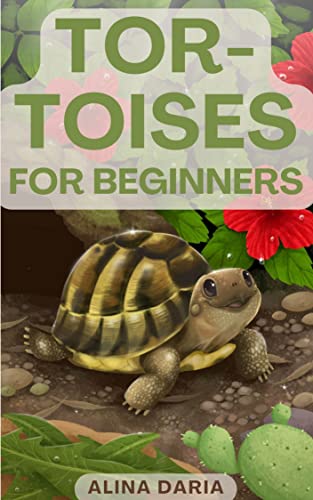 |
Tortoises for Beginners Husbandry Guide | Ideal for beginners | Covers multiple species | Clear husbandry advice | View on Amazon | Read Review |
| Ideal Species Manual | 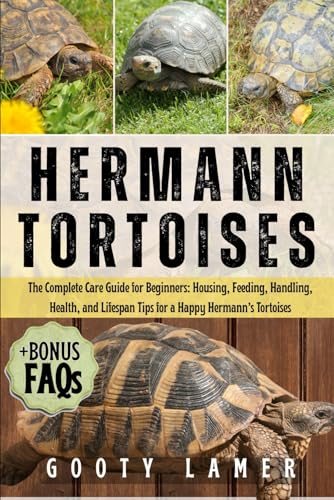 |
Hermann Tortoise Complete Care Guide | Species specific focus | Detailed health tips | Clear housing advice | View on Amazon | Read Review |
| Leopard Tortoise Specialist |  |
Leopard Tortoise Step-by-Step Guide | Structured learning approach | Detailed habitat building | Focus on long-term care | View on Amazon | Read Review |
| Arid Environment Expert |  |
Desert Tortoise Care Handbook | Specialized environmental advice | Breeding information included | Long-term ownership guidance | View on Amazon | Read Review |
| Russian Tortoise Authority |  |
Complete Russian Tortoise Handbook | Comprehensive care details | Specific diet recommendations | Clear habitat guidance | View on Amazon | Read Review |
| Nutritious Snack Option |  |
Fluker's Calcium Fortified Tortoise Treats | Calcium fortified formula | Natural herbivore ingredients | Easy to serve | View on Amazon | Read Review |
| Daily Nutritional Staple |  |
Mazuri Low Starch Tortoise Diet | Low starch formula | Wide species compatibility | Reliable nutrition source | View on Amazon | Read Review |
| Essential Fiber Source |  |
Natural Tortoise Hay Supplement | High fiber content | Natural grazing material | Good for gut health | View on Amazon | Read Review |
| Giant Species Manual |  |
Sulcata Tortoise Beginners Guide | Growth management guidance | Heating and housing focus | Realistic ownership expectations | View on Amazon | Read Review |
| Marginated Tortoise Essential |  |
Marginated Tortoise Care Handbook | Species specific advice | Practical health strategies | Clear habitat instructions | View on Amazon | Read Review |
More Details on Our Top Picks
-
Tortoises for Beginners Husbandry Guide
If you are still deciding which species fits your life, this guide is your best starting point. It breaks down the needs of different tortoises so you can make an informed choice before buying your first animal.
The text covers the basics of appropriate husbandry without getting bogged down in overly technical jargon. It is a bit broad, so you will eventually need a more specialized book once you pick your specific tortoise.
- Resource Type:Instructional Book
- Target Species:Various Tortoises
- Additional Feature:Comparison of different species
- Additional Feature:Basic setup requirements
- Additional Feature:Beginner health tips
-
Hermann Tortoise Complete Care Guide
Hermann’s tortoises are popular because they stay a manageable size. This book serves as a comprehensive roadmap for anyone who wants to ensure their new pet lives a long, healthy life.
It covers everything from daily feeding schedules to complex habitat requirements. The focus is strictly on this one species, which means you get deeper insights than you would from a general reference book.
- Resource Type:Care Guide
- Target Species:Hermann’s Tortoise
- Additional Feature:Habitat setup instructions
- Additional Feature:Feeding guidelines
- Additional Feature:Lifespan management advice
-
Leopard Tortoise Step-by-Step Guide
Leopard tortoises are beautiful but possess specific dietary needs that can catch new owners off guard. This guide is built to help you manage those needs through a clear, step by step process that prevents common mistakes.
You get solid advice on how to build a habitat that mimics their natural environment. Just keep in mind that these animals grow quite large, so the housing section is particularly important to read before you start.
- Resource Type:Care Guide
- Target Species:Leopard Tortoise
- Additional Feature:Feeding and health protocols
- Additional Feature:Habitat maintenance steps
- Additional Feature:Growth management tips
-
Desert Tortoise Care Handbook
Keeping a desert species requires a different mindset than keeping tropical varieties. This handbook acts as a reliable mentor for creating an enclosure that maintains the right dry climate and temperature balance.
It explains the nuances of captive breeding and long-term ownership clearly. If you are serious about understanding the unique biology of desert tortoises, this manual is a necessary addition to your shelf.
- Resource Type:Care Guide
- Target Species:Desert Tortoise
- Additional Feature:Habitat setup techniques
- Additional Feature:Health monitoring advice
- Additional Feature:Feeding requirements
-
Complete Russian Tortoise Handbook
Russian tortoises are hardy, but they still require a specific environment to stay active and happy. This book provides a thorough foundation for owners who want to master proper diet and habitat setup from day one.
The maintenance section is helpful for those who want to avoid the common errors that lead to health issues. It is essentially a complete manual for everything a Russian tortoise needs to thrive in your care.
- Resource Type:Care Guide
- Target Species:Russian Tortoise
- Additional Feature:Long-term maintenance tips
- Additional Feature:Health and wellness advice
- Additional Feature:Detailed setup instructions
-
Fluker's Calcium Fortified Tortoise Treats
Sometimes you want to offer a treat that serves a functional purpose rather than just empty calories. This blend provides essential minerals to help your pet maintain a strong shell and bone structure.
It is an herbivore blend, so it matches the natural diet of most common pet tortoises. Use it as a supplement, but remember that fresh greens should always remain the core of your tortoise's diet.
- Target Species:Herbivore Tortoises
- Supplement Type:Dietary Treat
- Weight Capacity:4 oz
- Additional Feature:Includes dried fruits
- Additional Feature:Includes dried vegetables
- Additional Feature:Supports bone health
-
Mazuri Low Starch Tortoise Diet
Feeding a balanced diet is like keeping a delicate watch in perfect time. This low starch pellet is designed to provide consistent nutrition for a wide variety of species, from Sulcata to Leopard tortoises.
It is a great way to ensure your pet gets the right fiber balance, even when high-quality fresh produce is hard to find. Avoid feeding only pellets, however, as fresh vegetation is still necessary for hydration and natural grazing behavior.
- Target Species:Multiple Tortoise Species
- Supplement Type:Pelleted Diet
- Weight Capacity:12 oz
- Additional Feature:Consistent fiber content
- Additional Feature:Veterinarian recommended brand
- Additional Feature:Easy to store
-
Natural Tortoise Hay Supplement
Fiber is the engine of a healthy tortoise digestive system. This hay provides the roughage required to keep their metabolism running smoothly, acting as a natural grazing medium that encourages healthy behavior.
It works well for species that naturally eat grasses, like Sulcatas or Leopards. Make sure to keep it dry and clean in the enclosure to prevent any mold issues or unwanted waste.
- Target Species:Grazing Tortoises
- Supplement Type:Dietary Hay
- Weight Capacity:24 oz
- Additional Feature:Encourages natural grazing
- Additional Feature:Supports digestion
- Additional Feature:All natural contents
-
Sulcata Tortoise Beginners Guide
Sulcata tortoises grow into giants, and they require an owner who understands their size and energy needs early on. This guide is essential for planning the long-term housing and growth requirements of these large animals.
It does not shy away from the realities of owning a massive pet. If you are committed to the long-term journey of a Sulcata, this book provides the necessary facts to keep them happy for decades.
- Resource Type:Care Guide
- Target Species:Sulcata Tortoise
- Additional Feature:Feeding for large tortoises
- Additional Feature:Growth tracking tips
- Additional Feature:Habitat design strategies
-
Marginated Tortoise Care Handbook
Marginated tortoises are less common than other pet species, so finding specific information can be a challenge. This handbook acts as a dedicated resource that covers everything from grooming to habitat requirements for this specific type.
The practical strategies help you avoid the guesswork associated with keeping a specialized animal. It is a focused guide that keeps your tortoise’s welfare as the primary goal.
- Resource Type:Care Guide
- Target Species:Marginated Tortoise
- Additional Feature:Breeding information
- Additional Feature:Grooming and care tips
- Additional Feature:Habitat design advice
Frequently Asked Questions
Can I keep my tortoise in a glass aquarium?
Please avoid glass tanks at all costs. They trap humidity poorly, offer no ventilation, and confuse the tortoise because they cannot understand the concept of transparent walls. A wooden tortoise table with solid sides is a much better choice for their mental well-being.
Do tortoises need a friend to keep them happy?
Tortoises are solitary creatures by nature. They do not experience loneliness, and keeping two together often leads to unnecessary bullying or stress. It is safer and easier to provide one high-quality home for a single tortoise.
How often do I need to clean the enclosure?
Spot-cleaning should happen daily to remove waste and leftover food. You should perform a deep clean of the entire habitat every month to ensure the substrate remains sanitary. Keeping the area clean prevents bacterial growth that could harm your pet.
Will my tortoise hibernate during the winter?
Hibernation, or brumation, is a complex process that carries significant risks for beginners. Unless you are an expert, it is better to keep your tortoise awake during the winter using consistent heating and lighting. Keep the environment stable to avoid the health complications of an improper sleep cycle.
How do I know if my tortoise is healthy?
A healthy tortoise has bright, clear eyes and is active when the lights are on. Watch for a firm shell that shows no signs of soft spots or abnormal bumps. If you notice a loss of appetite or wheezing sounds, reach out to an exotic animal veterinarian immediately.