Decades ago, finding reliable information about Italian viticulture meant scouring dusty library shelves or waiting for specialized wine journals to arrive by mail. Today, the sheer volume of digital resources and expert guides provides immediate access to the nuances of specific producers and vintages.
Sorting through this information requires a discerning eye. I have gathered the Best Brunello Di Montalcinos reading materials to help you sharpen your understanding of this storied region. Keep reading to find the right resource for your collection.
Key Takeaways
- Prioritize guides that offer deep dives into the specific soil composition and microclimates of the Montalcino subzones.
- Look for texts written by authors with long-standing connections to the region to ensure historical accuracy.
- Check the publication date to confirm the data reflects current farming trends and recent vintage performance.
- Seek out books that feature maps and producer interviews if you prefer a visual and narrative-driven approach.
- Verify that the guide covers both legendary heritage estates and emerging boutique wineries for a balanced perspective.
| Definitive Regional Authority |  |
Brunello di Montalcino Essential Reference | Comprehensive historical overview | Clear aging guidelines | Technical production focus | View on Amazon | Read Review |
| Analytical Wine Companion |  |
Understanding Brunello di Montalcino | Beginner-friendly explanations | Focus on quality assessment | Clear regional context | View on Amazon | Read Review |
| Immersive Regional Narrative |  |
On Tuscany Wine Tales | Engaging storytelling style | Wide regional coverage | Focus on producer heritage | View on Amazon | Read Review |
| Offbeat Travel Planner | 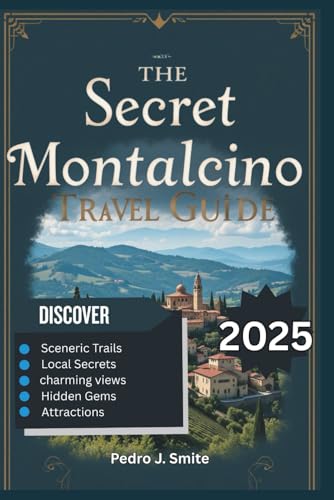 |
Secret Montalcino 2025 Guide | Insider village tips | Focus on quiet locations | Practical travel advice | View on Amazon | Read Review |
| Serious Collector Resource |  |
Finest Wines of Tuscany | Extensive producer listings | Professional quality rankings | Detailed regional maps | View on Amazon | Read Review |
| Elegant Linguistic Deep-Dive |  |
Brunello di Montalcino Italian Edition | Authentic cultural perspective | Focus on wine elegance | Comprehensive historical insight | View on Amazon | Read Review |
| Expert Terroir Breakdown |  |
Tuscany Decoded Sommelier Guide | Professional sommelier insight | Terroir-focused analysis | Clear tasting terminology | View on Amazon | Read Review |
| Masterful Winemaker Study |  |
Franco Biondi Santi Biography | Insightful biographical detail | Historical legacy focus | Exclusive estate perspective | View on Amazon | Read Review |
| Current Tasting Roadmap | 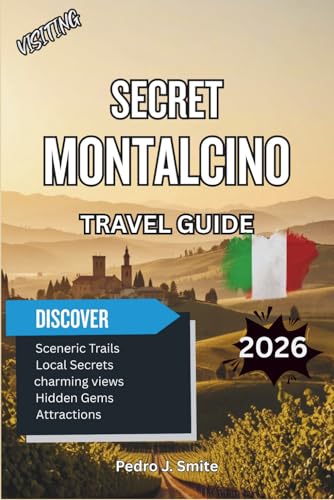 |
Secret Montalcino 2026 Guide | Updated tasting information | Current travel trends | Hidden location gems | View on Amazon | Read Review |
| Romantic Regional History |  |
Brunello Montalcino True Story | Compelling narrative flow | Cultural storytelling focus | Historical context depth | View on Amazon | Read Review |
More Details on Our Top Picks
-
Brunello di Montalcino Essential Reference
This guide serves as the foundational text for anyone wanting to master the basics of the region. It is best for those who want a clear, no-nonsense look at what makes this specific Sangiovese Grosso variety so special.
You will appreciate the depth of technical detail provided regarding aging requirements. Just be aware that it functions strictly as a reference manual, so do not expect a narrative travelogue.
- Primary Subject:Brunello di Montalcino
- Content Style:Reference manual
- Additional Feature:Detailed soil analysis
- Additional Feature:Producer classification lists
- Additional Feature:Vineyard altitude charts
-
Understanding Brunello di Montalcino
If you find the world of high-end Italian wine intimidating, this book acts as a gentle tutor. It breaks down the production nuances that differentiate a standard bottle from a top-tier masterpiece.
The author does a great job of explaining how the micro-climates influence the final flavor profile. It is a bit dense in parts, so keep a glass of wine nearby to help the information settle.
- Primary Subject:Wine appreciation
- Content Style:Educational guide
- Additional Feature:Tasting note structure
- Additional Feature:Vintage comparison tables
- Additional Feature:Serving temperature advice
-
On Tuscany Wine Tales
This collection of stories connects the dots between Montalcino and Bolgheri. It is best for those who prefer learning through personal anecdotes rather than dry statistics.
You get a real sense of the culture that surrounds these vineyards. The limitation is that it covers a broader geographic scope, so it spends less time exclusively on Brunello than a dedicated manual would.
- Primary Subject:Tuscan wine culture
- Author Focus:Regional history
- Geographic Scope:Central Italy
- Additional Feature:Producer interviews
- Additional Feature:Cultural history context
- Additional Feature:Vineyard lifestyle insights
-
Secret Montalcino 2025 Guide
Planning a trip to the Tuscan hills requires more than just knowing which bottle to order. This guide focuses on the hidden villages and lesser-known producers that mass-market tours often miss.
It provides a practical map of the area that helps you avoid the tourist traps. Keep in mind that this is geared toward active travelers rather than armchair historians.
- Geographic Scope:Montalcino area
- Content Style:Travel guide
- Publication Year:2025
- Additional Feature:Suggested driving routes
- Additional Feature:Small-scale winery list
- Additional Feature:Local food pairings
-
Finest Wines of Tuscany
This is an exhaustive deep-dive into the top producers of Central Italy. If you want to know which estates are currently hitting their peak performance, this is your go-to source.
It functions as a directory for serious buyers. The sheer volume of information can be overwhelming, so it is best used as a tool for planning specific purchases.
- Primary Subject:Central Italy wines
- Content Style:Producer guide
- Additional Feature:Estate background history
- Additional Feature:Vineyard mapping
- Additional Feature:Quality trend reports
-
Brunello di Montalcino Italian Edition
This book celebrates the grandeur of Italian wine in its native tongue. It is ideal for readers who want to appreciate the poetic nuances of the industry as expressed by those who live there.
The focus is on the elegance and history of the red wine. Since it is written in Italian, it assumes you have a strong grasp of the language and local terminology.
- Primary Subject:Brunello history
- Language:Italian
- Additional Feature:Rare archival photographs
- Additional Feature:Detailed vintage retrospectives
- Additional Feature:Winemaker profiles
-
Tuscany Decoded Sommelier Guide
A sommelier’s perspective is always valuable because it bridges the gap between the soil and the glass. This guide explains why Tuscan terroir matters in ways that are easy to visualize.
It is particularly useful if you want to understand how different winemaking techniques change the taste. The scope is quite broad, covering Chianti and others alongside Brunello.
- Primary Subject:Italian terroir
- Content Style:Professional guide
- Additional Feature:Wine pairing strategies
- Additional Feature:Grape variety breakdown
- Additional Feature:Regional climate summaries
-
Franco Biondi Santi Biography
Focusing on the life of a legend, this book honors the Gentleman of Brunello. It provides a window into the pioneering spirit of the Biondi Santi family.
This is a must-read for those who value the human element of winemaking. It is less about technical tasting notes and more about the legacy of a specific visionary.
- Primary Subject:Winemaker biography
- Author Focus:Franco Biondi Santi
- Additional Feature:Family historical timeline
- Additional Feature:Estate evolution record
- Additional Feature:Industry legacy impact
-
Secret Montalcino 2026 Guide
This updated guide is perfect for the modern wine traveler looking for the latest information. It highlights specific tasting opportunities in hidden spots that are gaining traction.
It emphasizes the experience of being in the hills. Like its predecessor, it is very action-oriented and meant to be carried in a backpack.
- Content Style:Travel guide
- Publication Year:2026
- Additional Feature:Tasting room etiquette
- Additional Feature:Seasonal travel tips
- Additional Feature:Local producer contact info
-
Brunello Montalcino True Story
This narrative covers the true story behind the Prince of Wines. It is a wonderful read for those who want to feel the emotional connection Italians have with their land.
The writing is quite personal and evocative. It is less of a guide and more of an exploration of why this wine holds such a prestigious place in history.
- Primary Subject:Regional history
- Language:Italian
- Additional Feature:Local folklore anecdotes
- Additional Feature:Artistic wine descriptions
- Additional Feature:Personal author perspective
Frequently Asked Questions
How long should I let a Brunello breathe before drinking?
Because these wines are often high in tannins, they usually benefit from some exposure to oxygen. Pour the wine into a wide decanter and let it sit for at least one to two hours before your first glass. This process helps the aromatics open up, transforming a tight, closed wine into something expressive. If you have an older vintage, be careful, as too much air can cause a fragile wine to fade quickly.
What kind of food pairs best with this wine?
Think of this wine as a natural companion to rich, savory Italian dishes. It pairs perfectly with grilled steak, roasted lamb, or wild boar ragu. The high acidity and tannins cut through fat like a knife through butter. For a vegetarian option, try it with a dish featuring aged pecorino cheese or earthy mushrooms.
Is there a difference between Brunello and Rosso di Montalcino?
Yes, and the difference is primarily about time and intent. Rosso di Montalcino is often called the younger sibling, as it is released much earlier and typically sees less time in oak. It offers a more approachable profile for immediate consumption at a lower price point. While it comes from the same grapes and area, it lacks the concentrated intensity and long-term aging potential of a true Brunello.
Should I store my bottles in a specific way?
Keep your bottles in a cool, dark place with a stable temperature around 55 degrees Fahrenheit. A wine fridge is ideal if you lack a dedicated cellar. Always store the bottles on their sides to keep the cork moist. If the cork dries out, oxygen can seep in and spoil your wine, so consistent humidity is also a major factor for long-term storage.
Does the bottle shape indicate quality?
Not really, as the standard shape for a Brunello is a traditional Bordeaux style bottle. Some producers might use heavier glass for their top-tier offerings to feel more premium, but the glass weight has nothing to do with the liquid inside. Focus your attention on the producer label and the vintage year instead. Marketing gimmicks on the packaging are rarely a substitute for high-quality viticulture and skilled winemaking.