
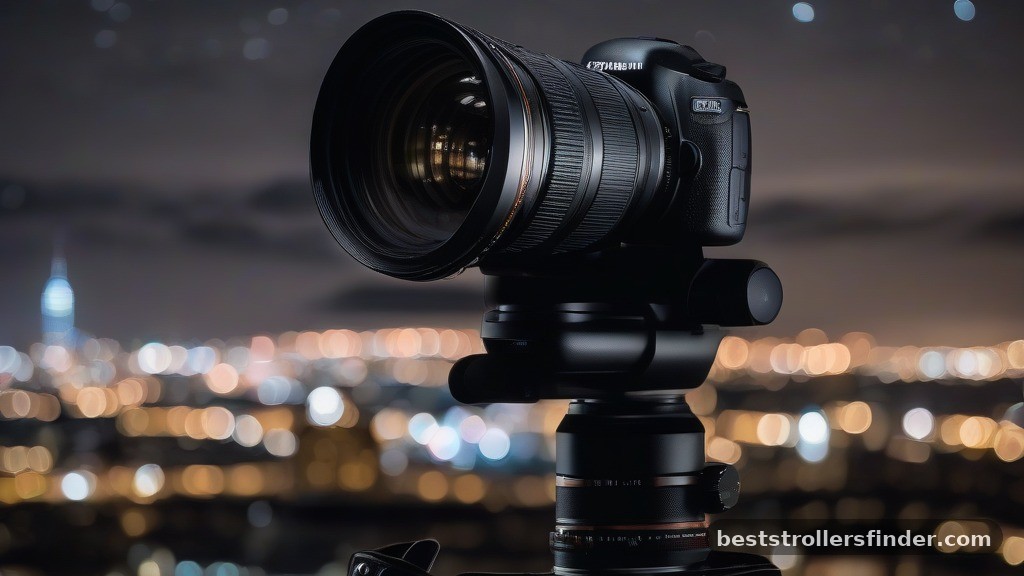
The best images after dark often rely on light-gathering capacity rather than long exposure times. You might assume more pixels equal better clarity, but the glass in front of your sensor does the real heavy lifting when photons are scarce.
Finding the Best Lenses for Night Photography requires a shift in how you prioritize your equipment. Let us move past the specs and look at what actually clarifies the shadows.
Key Takeaways
- Prioritize a wide maximum aperture like f/1.4 or f/1.8 to allow more light to strike your sensor.
- Choose prime lenses over zoom options because fixed focal lengths typically provide superior clarity in low light.
- Consider the focal length carefully as wider lenses allow for longer exposure times without capturing distracting motion blur from stars.
- Check that your lens is fully compatible with your specific camera mount to ensure autofocus and electronic communication work correctly.
- Evaluate the build quality and glass elements to minimize flare and ghosting when you shoot near bright streetlights.
| Ultimate Low Light King |  |
Brightin Star 50mm F0.95 Lens | Extreme light gathering | Beautiful bokeh rendering | Compact manual design | View on Amazon | Read Review |
| Reliable Portrait Staple |  |
Canon EF 50mm f/1.8 STM | Lightweight and portable | Fast f/1.8 aperture | Sharp image quality | View on Amazon | Read Review |
| Wide Angle Specialist |  |
Sigma 16mm f/1.4 DC DN | Extremely bright aperture | Wide field of view | Weather-sealed mount | View on Amazon | Read Review |
| Steady Landscape Zoom |  |
Nikon AF-S 16-35mm f/4G VR | Useful focal range | Effective vibration reduction | Durable build quality | View on Amazon | Read Review |
| Distant Subject Tracker |  |
Canon RF 100-400mm Telephoto | Impressive reach | Excellent image stabilization | Lightweight design | View on Amazon | Read Review |
| Mobile Night Kit |  |
Xenvo Pro Phone Kit | Includes clip-on light | Portable travel case | Easy attachment mechanism | View on Amazon | Read Review |
| Essential Prime Choice |  |
Sony FE 50mm f/1.8 Prime | Compact and light | Wide f/1.8 aperture | Sharp image output | View on Amazon | Read Review |
| Ultra-Wide Night Prime |  |
Canon RF 16mm f/2.8 Prime | Ultra-portable size | Wide angle view | Fast f/2.8 aperture | View on Amazon | Read Review |
| Creative Light Effect |  |
K&F Concept Star Filter | Creates starburst effects | Includes three variations | Slim frame design | View on Amazon | Read Review |
| Detailed Night Closeups |  |
Apexel Pro Phone Macro | High magnification power | Universal phone attachment | Sharp glass quality | View on Amazon | Read Review |
More Details on Our Top Picks
-
Brightin Star 50mm F0.95 Lens
If you want to pull images out of near total darkness, this lens is your best friend. The massive f/0.95 aperture acts like a light bucket, gathering every available photon so you can keep your shutter speeds reasonable even when the sun has long since vanished.
Because this is a manual focus lens, you will need to take your time to nail the sharpness. It is a fantastic choice for photographers who enjoy the deliberate pace of adjusting focus rings to capture moody, atmospheric portraits or street scenes after dark.
- Brand:Brightin Star
- Focal Length:50mm
- Maximum Aperture:f/0.95
- Mount Compatibility:Canon RF-S
- Additional Feature:All metal lens barrel
- Additional Feature:Manual focus ring control
- Additional Feature:Multi-coated optical glass
-
Canon EF 50mm f/1.8 STM
You probably know this as the "nifty fifty," and for good reason. It is a versatile prime lens that works brilliantly for low-light photography because that f/1.8 aperture lets in plenty of light without requiring a heavy investment.
The STM motor provides quiet and smooth focusing, which helps when you are working in quiet environments. It is remarkably light, making it an easy companion for long nights wandering through city streets.
- Brand:Canon
- Lens Type:Prime
- Focal Length:50mm
- Maximum Aperture:f/1.8
- Mount Compatibility:Canon EF
- Filter Size:49mm
- Additional Feature:Stepping motor for focus
- Additional Feature:Super Spectra coating
- Additional Feature:Metal lens mount
-
Sigma 16mm f/1.4 DC DN
This lens is a dream for capturing expansive night landscapes or tight indoor spaces where you need a bit more room in the frame. The f/1.4 aperture is wide enough to handle challenging lighting conditions with ease.
You will find the optical design creates clean, high-contrast images. It is a solid choice for Sony E-mount users who want professional performance without the bulk of a larger system.
- Brand:Sigma
- Lens Type:Prime
- Focal Length:16mm
- Maximum Aperture:f/1.4
- Mount Compatibility:Sony E
- Filter Size:67mm
- Additional Feature:Stepping motor autofocus
- Additional Feature:Nine-blade diaphragm
- Additional Feature:TSC material construction
-
Nikon AF-S 16-35mm f/4G VR
When you need flexibility while shooting at night, a zoom lens is a helpful partner. This Nikon model features Vibration Reduction, which is a life-saver when you are shooting handheld and need to keep the image crisp despite slower shutter speeds.
The 16-35mm range covers everything from sweeping cityscapes to detailed architectural shots. While the aperture is fixed at f/4, the built-in stabilization compensates for the light loss, allowing for steady shots in dim environments.
- Brand:Nikon
- Lens Type:Zoom
- Focal Length:16-35mm
- Maximum Aperture:f/4
- Mount Compatibility:Nikon F
- Filter Size:77mm
- Additional Feature:Nano Crystal Coat
- Additional Feature:Silent Wave Motor
- Additional Feature:Internal focusing system
-
Canon RF 100-400mm Telephoto
Most people do not think of telephoto lenses for night photography, but this lens changes the narrative for wildlife or moon shots. The optical image stabilization is quite robust, helping you stay steady when zoomed way in.
Because the aperture ranges from f/5.6 to f/8, you will definitely want to pair this with a camera that handles high ISO settings well. It is surprisingly compact for a telephoto lens, making it much easier to carry into the field than traditional long lenses.
- Brand:Canon
- Focal Length:100-400mm
- Maximum Aperture:f/5.6-8
- Mount Compatibility:Canon RF
- Filter Size:67mm
- Additional Feature:Nano USM autofocus
- Additional Feature:Customizable control ring
- Additional Feature:Dust and moisture resistance
-
Xenvo Pro Phone Kit
If your primary camera is the one in your pocket, this kit is a helpful addition. It includes a wide-angle attachment and a dedicated LED light that clips onto your phone to provide a boost of illumination for close-up night subjects.
The macro lens is great for capturing details like dew on leaves or textures under low light. It is a simple, budget-friendly way to expand your creative options without needing a dedicated camera body.
- Brand:Xenvo
- Additional Feature:Rechargeable LED light
- Additional Feature:Macro and wide-angle
- Additional Feature:Durable travel case
-
Sony FE 50mm f/1.8 Prime
This is a workhorse lens for anyone shooting on a Sony full-frame system. The f/1.8 aperture provides a shallow depth of field, which helps isolate your subject from distracting night lights in the background.
It is a lightweight prime that does not weigh down your camera bag during long excursions. You will appreciate the straightforward design that lets you focus on your composition rather than technical settings.
- Brand:Sony
- Lens Type:Prime
- Focal Length:50mm
- Maximum Aperture:f/1.8
- Mount Compatibility:Sony E
- Filter Size:49mm
- Additional Feature:Seven-blade circular aperture
- Additional Feature:Double-gauss optical design
- Additional Feature:Smooth autofocus motor
-
Canon RF 16mm f/2.8 Prime
This lens is incredibly tiny, yet it offers an ultra-wide field of view that is perfect for capturing starry skies. Since it is a prime lens, the image quality is crisp and clear across the entire frame.
The f/2.8 aperture is a solid middle ground for night work, allowing enough light in while keeping the lens size manageable. It is an excellent choice for anyone who wants a compact setup for travel or landscape astrophotography.
- Brand:Canon
- Focal Length:16mm
- Maximum Aperture:f/2.8
- Mount Compatibility:Canon RF
- Filter Size:43mm
- Additional Feature:STM autofocus motor
- Additional Feature:Extremely short weight
- Additional Feature:Optimized for mirrorless
-
K&F Concept Star Filter
Sometimes your night photos need a bit of extra flair, and that is where these starburst filters come into play. They turn bright points of light, like street lamps or distant windows, into beautiful, glowing star shapes.
This set gives you options for the number of points on each star, allowing you to customize the look of your night images. It is a simple screw-on accessory that adds a professional touch to any light-heavy scene.
- Brand:K&F Concept
- Filter Size:82mm
- Additional Feature:18-layer multi-coating
- Additional Feature:Optical glass construction
- Additional Feature:Protective cleaning cloths
-
Apexel Pro Phone Macro
When you want to capture the tiny details of the night, this macro lens is a helpful tool. It attaches securely to your phone and allows for extreme magnification, letting you see textures that are invisible to the naked eye.
It is designed to work with almost any smartphone, making it a flexible piece of gear for your mobile kit. The glass optics ensure that your close-up photos remain sharp and clear even in lower light conditions.
- Brand:Apexel
- Additional Feature:Professional-grade glass
- Additional Feature:Universal clip design
- Additional Feature:Compact for travel
Frequently Asked Questions
Do I really need a full frame lens for night shots?
Not necessarily, but it helps. Larger sensors capture more light, which pairs well with the wider field of view found on full frame glass. You can certainly get great results with a crop sensor lens as long as the aperture is wide.
Is it better to use a wide angle or a telephoto lens?
For most night photography, a wide angle lens is the standard choice. It lets you capture more of the sky or a sweeping cityscape without needing to push your settings too far. Telephoto lenses are specialty tools that are better suited for tight compositions of the moon or distant urban details.
Why do my stars look like streaks instead of dots?
That usually happens because the Earth is rotating while your shutter is open. You need a lens with a wider focal length to minimize this effect, or a shorter exposure time. If you want perfectly sharp stars, you might look into a specialized star tracker mount.
Can I use my kit lens for night photography?
You can, but you will likely find it frustrating. Most kit lenses have a variable aperture that narrows as you zoom in, which forces you to use a slower shutter speed or a higher ISO. A dedicated prime lens will give you much cleaner files with less digital noise.
What does infinity focus mean for night work?
Infinity focus is the setting where everything from a certain point to the horizon is sharp. Because it is hard to see in the dark, many photographers pre-focus on a distant light during the day. You can then use a piece of gaffer tape to lock the ring in place once you arrive at your spot.