
The subject adjusts their posture, a soft smile catching the afternoon light while you hold your breath behind the viewfinder. Every fine hair and skin texture rests in sharp focus while the background melts into a creamy blur.
Capturing that feeling requires the right glass. Finding the Best Lenses for Portrait Photography changes your perspective on what a simple portrait can communicate. Let’s identify the tools that actually make a difference.
Key Takeaways
- Prioritize a focal length between 50mm and 85mm to achieve natural facial proportions without unwanted distortion.
- Select a wide aperture like f/1.8 or f/2.8 to isolate your subject through shallow depth of field.
- Confirm that your chosen lens mount matches your camera body to avoid needing bulky adapters.
- Consider lenses with built-in image stabilization if you prefer shooting portraits without a tripod.
- Check the minimum focusing distance if you want to capture tight, detailed shots of eyes or accessories.
| Budget Portrait King | 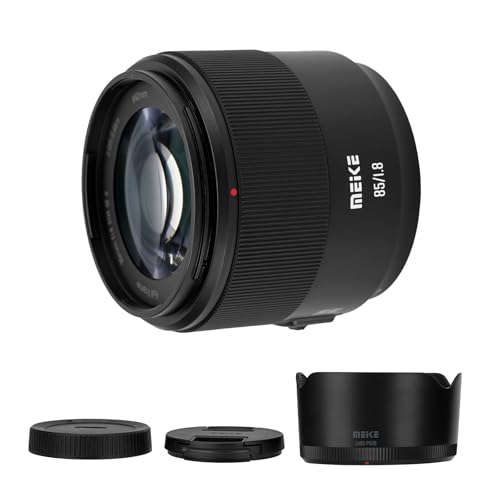 |
Meike 85mm F1.8 SE Mark II | Smooth autofocus performance | Flattering focal length | Great for headshots | View on Amazon | Read Review |
| Essential Prime Classic |  |
Canon EF 50mm f/1.8 STM | Extremely lightweight design | Wide aperture for bokeh | Natural perspective | View on Amazon | Read Review |
| Mirrorless Standard Staple |  |
Canon RF 50mm F1.8 STM | Designed for R-mount | Excellent close-focus ability | Very compact build | View on Amazon | Read Review |
| Reliable DSLR Option | 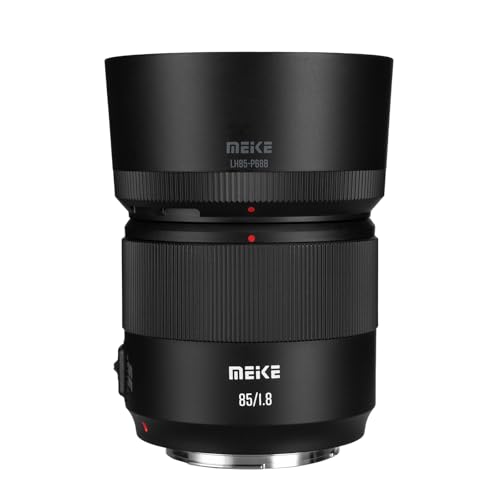 |
Meike 85mm F1.8 SE II | Snappy autofocus speed | Great background isolation | Comfortable working distance | View on Amazon | Read Review |
| Sharp Mirrorless Performer |  |
Sony 85mm F/1.8 Medium-Telephoto | Excellent sharpness | Beautiful bokeh rendition | Manageable weight | View on Amazon | Read Review |
| Versatile Pro Zoom |  |
Canon RF 24-70mm F2.8 L | Exceptional zoom range | Built-in image stabilization | Professional optical quality | View on Amazon | Read Review |
| Compact Prime Value |  |
Sony FE 50mm F1.8 | Very lightweight build | Affordable portrait entry | Good low light performance | View on Amazon | Read Review |
| Flexible APS-C Essential |  |
Tamron 17-70mm F2.8 Zoom | Constant F2.8 aperture | Versatile zoom range | Effective image stabilization | View on Amazon | Read Review |
| Tactile Precision Focus |  |
Canon 85mm F1.8 Manual | Intentional shooting experience | Precision manual focus | Classic image rendering | View on Amazon | Read Review |
| Dual Purpose Specialist |  |
Canon RF 85mm F2 Macro | Versatile macro capability | Built-in optical stabilization | Compact 85mm design | View on Amazon | Read Review |
More Details on Our Top Picks
-
Meike 85mm F1.8 SE Mark II
If you want that classic portrait look without burning a hole in your pocket, this lens is a fantastic place to start. It uses an STM motor for smooth autofocus, which keeps your subject sharp even if they happen to be moving around a bit.
The 85mm focal length offers a flattering compression for faces, making it a staple for anyone serious about capturing headshots. Just keep in mind that being a third-party lens, the build quality feels a bit more utilitarian compared to native professional glass.
- Brand Name:Meike
- Focal Length:85mm
- Maximum Aperture:F1.8
- Mount Type:Canon EF
- Focus Type:Auto Focus
- Additional Feature:STM motor for quiet focusing
- Additional Feature:Full frame compatible
- Additional Feature:High resolution design
-
Canon EF 50mm f/1.8 STM
You have likely heard photographers call this the nifty fifty, and it earned that nickname for a reason. It is small, incredibly light, and provides a field of view that feels very natural to the human eye.
The wide f/1.8 aperture allows you to shoot in lower light conditions while creating a dreamy, blurred background. It is a perfect choice for those who want to move beyond their kit lens without carrying a heavy bag of gear.
- Brand Name:Canon
- Focal Length:50mm
- Maximum Aperture:F1.8
- Mount Type:Canon EF
- Focus Type:Auto Focus
- Additional Feature:Compact size for portability
- Additional Feature:Quiet stepping motor
- Additional Feature:Metal mount construction
-
Canon RF 50mm F1.8 STM
This is the modern equivalent of the classic 50mm, specifically designed for the Canon EOS R series cameras. Because it sits closer to the sensor, you get improved optical performance in a package that weighs almost nothing.
The close-focus capability is a standout feature here, letting you get tighter on details than you might expect from a standard prime. It is an ideal companion for travel photographers who prioritize an unobtrusive setup.
- Brand Name:Canon
- Focal Length:50mm
- Maximum Aperture:F1.8
- Mount Type:Canon RF
- Focus Type:Auto Focus
- Weight:160g
- Additional Feature:0.30m minimum focus
- Additional Feature:43mm filter thread
- Additional Feature:Lightweight mirrorless optimized
-
Meike 85mm F1.8 SE II
Finding a fast prime for an older DSLR can be tricky, but this lens fills that gap nicely. It provides the medium-telephoto reach needed to keep a comfortable distance from your subject, which helps them relax during a shoot.
The autofocus is snappy enough for portrait sessions, and the large aperture helps you isolate your subject from messy backgrounds. While it lacks the weather sealing of high-end professional glass, it delivers sharp images for the vast majority of users.
- Brand Name:Meike
- Focal Length:85mm
- Maximum Aperture:F1.8
- Mount Type:Canon EF
- Focus Type:Auto Focus
- Additional Feature:Prime lens design
- Additional Feature:Full frame coverage
- Additional Feature:Designed for DSLR cameras
-
Sony 85mm F/1.8 Medium-Telephoto
Sony users often search for a lens that balances weight and image quality, and this 85mm is usually the top recommendation. It is a sharp prime lens that produces beautiful, soft backgrounds, which is exactly what you want for professional-looking portraits.
The build is solid yet manageable, making it a great choice for all-day shooting. It avoids the excessive bulk of top-tier G-Master glass while delivering results that are more than enough for most portrait needs.
- Brand Name:Sony
- Focal Length:85mm
- Maximum Aperture:F1.8
- Mount Type:Sony E
- Focus Type:Auto Focus
- Additional Feature:Medium-telephoto focal length
- Additional Feature:Fixed prime lens
- Additional Feature:Wide aperture versatility
-
Canon RF 24-70mm F2.8 L
If you prefer the flexibility of a zoom over the simplicity of a prime, this is arguably the ultimate workhorse lens. You get the classic 24mm wide angle for environmental portraits and the 70mm end for tight, flattering shots.
The inclusion of 5-stop image stabilization is a game changer for shooting handheld in lower light. Because it is an L-series lens, the build quality is top-tier, meaning it can survive the rigors of frequent professional use.
- Brand Name:Canon
- Focal Length:24-70mm
- Maximum Aperture:F2.8
- Mount Type:Canon RF
- Focus Type:Auto Focus
- Weight:900g
- Additional Feature:Nano USM autofocus
- Additional Feature:Weather-resistant construction
- Additional Feature:82mm filter thread
-
Sony FE 50mm F1.8
This lens is the definition of simplicity and effectiveness. For Sony shooters who want to leave the zoom lens at home, this 50mm offers a clear path to getting that blurry background effect that makes portraits pop.
It is lightweight enough that you will barely notice it in your bag. While the focus speed is not as fast as more expensive alternatives, it is perfectly capable for candid portraits and everyday photography tasks.
- Brand Name:Sony
- Focal Length:50mm
- Maximum Aperture:F1.8
- Mount Type:Sony E
- Focus Type:Auto Focus
- Additional Feature:Standard focal length
- Additional Feature:Portable design
- Additional Feature:Broad compatibility
-
Tamron 17-70mm F2.8 Zoom
Finding a lens that covers wide angle to short telephoto while maintaining a constant F2.8 aperture is rare for APS-C sensors. This lens is like a Swiss Army knife for photographers, allowing you to switch from group shots to portraits without changing lenses.
The vibration compensation is quite effective, which really helps when you are shooting at the longer end of the zoom. It is a smart choice for those who value convenience without sacrificing the ability to blur the background effectively.
- Brand Name:Tamron
- Focal Length:17-70mm
- Maximum Aperture:F2.8
- Mount Type:Sony E
- Focus Type:Auto Focus
- Weight:525g
- Additional Feature:0.19m close focus
- Additional Feature:67mm filter size
- Additional Feature:RXD autofocus motor
-
Canon 85mm F1.8 Manual
Sometimes you just want to take your time and nail the focus exactly where you want it. This manual focus lens is designed for the purist who finds joy in the tactile experience of turning the focus ring.
Because it relies on your own eye, it is best suited for stationary subjects or controlled studio sessions where speed is less critical than precision. The optics provide a lovely rendering that feels classic and intentional.
- Brand Name:Canon
- Focal Length:85mm
- Maximum Aperture:F1.8
- Mount Type:Canon EF
- Focus Type:Manual Focus
- Additional Feature:Dedicated portrait lens
- Additional Feature:Robust optical glass
- Additional Feature:Suitable for studio
-
Canon RF 85mm F2 Macro
Why choose between a portrait lens and a macro lens when you can have both? This lens allows you to capture stunning portraits at the 85mm mark and then shift to capturing fine details like jewelry or textures with a 0.5x magnification.
The hybrid image stabilization makes it much easier to shoot handheld, even when you are working at close distances. It is a highly practical tool for someone who enjoys variety in their photography and likes to keep their kit lightweight.
- Brand Name:Canon
- Focal Length:85mm
- Maximum Aperture:F2
- Mount Type:Canon RF
- Focus Type:Auto Focus
- Weight:500g
- Additional Feature:0.5x maximum magnification
- Additional Feature:0.35m minimum focus
- Additional Feature:STM autofocus system
Frequently Asked Questions
Is a zoom lens better than a prime lens for portraits?
Prime lenses are usually sharper and offer wider apertures than zoom lenses. They force you to move your feet to frame the shot, which often leads to more creative compositions. However, a zoom lens provides extra versatility if you are shooting at an event where you cannot easily change your physical position. You have to decide if you value convenience or maximum image quality more.
Do I really need an expensive lens for good portraits?
Not necessarily, because many affordable prime lenses perform remarkably well. The difference between a budget lens and a high-end one is often found in build quality, weather sealing, and slight improvements in edge-to-edge sharpness. You can create stunning work with an inexpensive 50mm lens. The personality you bring to the session matters far more than the price tag of your glass.
What is the benefit of a longer focal length?
Longer focal lengths, like 135mm, provide more background compression. This makes the background appear closer to the subject, which creates a more uniform and artistic backdrop. They also provide a flattering perspective that does not exaggerate the size of the nose or ears. It is like having a natural beautifying effect built directly into the optics.
How close should I stand to my subject?
This depends on the lens, but try to keep enough distance that you are not invading their personal space. A distance of about 6 to 10 feet is usually ideal for a head-and-shoulders portrait. Standing too close can make people feel awkward or guarded. Proper distance helps you capture a candid expression rather than a forced smile.
Does image stabilization matter for portraits?
It matters less if you are shooting in bright light with a fast shutter speed. However, if you prefer shooting in low-light conditions without a flash, stabilization can prevent blurry shots. Many modern cameras have in-body stabilization now, which renders lens-based stabilization less critical. If your camera body is steady, you can focus your budget on other features.