
When it comes to bringing out the rich colors and smooth blends of oil pastels, the right surface can make all the difference. You need a surface that's gentle enough to allow for subtle shifts in color, yet robust enough to handle the intense wax and pigment that oil pastels are known for. In this roundup, we'll explore the Best Surfaces for Oil Pastels that will help you unlock the full potential of your art. With the right surface, you can achieve professional-grade results that will leave your art looking vibrant and alive.
Key Takeaways
- Look for a surface with a high weight and texture to prevent bleeding and smudging.
- Choose a surface specifically designed for oil pastels, which will be resistant to grease and wax.
- Consider the size and layout of the surface, as larger sheets can be more convenient for big projects.
- A surface with a smooth, even finish can help you achieve more precise lines and details.
- If you're a beginner, a surface with a gentle learning curve and plenty of guides or prompts can be a big help.



More Details on Our Top Picks
-
Mungyo Gallery Artists' Soft Oil Pastels
Mungyo Gallery's Soft Oil Pastels are a dream come true for artists seeking a rich, professional finish. With 72 diverse and vivid colors, this set allows for endless creativity, making it an ideal choice for those who love to experiment and push the boundaries of color theory. Whether you're a seasoned artist or just starting out, this set is sure to inspire and delight.
One of the standout features of Mungyo Gallery's Soft Oil Pastels is their luxurious soft texture, which makes blending and shading a breeze. The pastels' superb blending properties allow for stunning effects, and the ability to mix colors seamlessly on various surfaces is a major bonus. Plus, the set's exceptional adhesion ensures that your artwork will stay in place, even when subjected to moisture or handling.
While Mungyo Gallery's Soft Oil Pastels are an excellent choice for many artists, they may not be the best option for those on a tight budget or who are just starting out. The set's high quality and professional-grade materials come at a price, and some artists may find it more expensive than they'd like.
- Surface Type:Oil pastel paper
- Brand:Mungyo Gallery
- Size:72 colors
- Material:Soft oil pastel
- Weight:N/A
- Sheets:N/A
- Additional Feature:Exceptional blending properties
- Additional Feature:Luxurious paper surface
- Additional Feature:Ideal for layering and shading
-
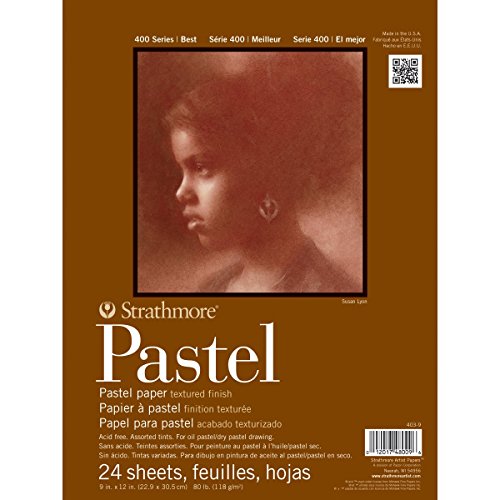
Strathmore 400 Series Tape Bound Pastel Pad
Strathmore's 400 Series Tape Bound Pastel Pad is a great choice for artists who need a portable and versatile surface for their oil pastel work. With its 80 lb. textured surface, this pad is ideal for artists who love to layer and blend colors. The pad's tape binding ensures that the sheets stay in place, even when subjected to moisture or handling.
One of the standout features of Strathmore's 400 Series Tape Bound Pastel Pad is its luxurious paper surface, which is designed to offer a subtle texture ideal for oil pastel work. The pad's acid-free paper is also suitable for soft or hard pastel drawings, making it a versatile choice for artists who like to experiment with different media. Plus, the pad's compact size makes it easy to take on the go.
While Strathmore's 400 Series Tape Bound Pastel Pad is a great choice for many artists, it may not be the best option for those who need a larger surface area or more sheets. The pad's 24 sheets may not be enough for some artists, especially those who like to work in layers or who need a larger surface area for their artwork.
- Surface Type:Textured paper
- Brand:Strathmore
- Size:9 x 12 inches
- Material:Paper
- Weight:80 lb.
- Sheets:24
- Additional Feature:Acid-free paper
- Additional Feature:Tape binding
- Additional Feature:Compact size
-
GR DZPLUS Oil Pastel Pad | 5.9 x 5.9 inch(123 lb/200g) | 50 Sheets Heavyweight Drawing Paper
-
Arches Oil Pad, 12×16, 12 Sheets – Professional Art Paper for Oil Paint, Acrylic, Pastel
-
MEEDEN 9"x 12" Oil Pastel Paper Pad: 140lb/300gsm, 30 Sheets Fine Textured | Grease Proof Oil Pastel Sketchbook Pastels Paper for Artists – Heavy Weight Drawing Pad with DIY Cover for Oils Pastels
-
Pentel Oil Pastels – 50 Color Set (PHN-50)
-
MUNGYO Gallery Artists' Soft Oil Pastels Professional, 48 Assorted Colors, Vibrant and Blendable
-
Artecho Oil Pastels Set of 48 Colors (10 x 70 mm) | Soft Oil Pastels, For Art Painting, Drawing, Blending, For Artists, Beginners, Students, Teachers
-
Mr. Pen- Oil Pastels for Artists, 45 Pack, Assorted Colors | Hexagonal Oil Pastel Sticks for Paper, Canvas, Black Paper & Wood, Smooth Blending Pastels for Beginners
-
MEEDEN Soft Oil Pastels Set: 72 Vibrant Colors Oil Pastels for Artists | Smooth Oil Pastel Crayons for Painting, Drawing, Blending, Layering, Shading, Dotting, Art Supplies for Beginners Adults
Frequently Asked Questions
What surface should I use for oil pastels if I'm a beginner, and I want to avoid making a mess?
If you're just starting out with oil pastels, it's best to use a surface that's easy to work on and won't damage your artwork. Look for a surface with a smooth, even texture, like a vellum paper or a mixed media pad. These surfaces are designed to handle oil pastels without buckling or tearing. One popular option is a hot press watercolor paper, which is great for oil pastels because it's smooth and even. You can also use a canvas panel or a hardboard surface, but be aware that these may be more prone to scratches and damage. Keep in mind that some surfaces may have a coating that can affect the oil pastels. Make sure to check the manufacturer's recommendations before using a new surface.
Are there any surfaces that are specifically designed for oil pastels, and what are their benefits?
Yes, there are surfaces specifically designed for oil pastels, and they offer several benefits. Oil pastel paper, for example, is designed to handle the wax and pigment of oil pastels without showing any signs of wear. This type of paper is usually made with a special coating that helps the oil pastels blend smoothly. Another option is a mixed media surface, which is designed to handle a variety of art supplies, including oil pastels. These surfaces often have a textured or roughened finish, which can help create interesting effects with oil pastels. Some surfaces may also be treated with a special primer that helps the oil pastels adhere evenly. This can be especially useful if you're working with bright or bold colors.
Can I use oil pastels on a surface that's already been used for another art project?
While it's possible to use oil pastels on a surface that's already been used, the results may vary. If the surface has a previous layer of paint or medium, the oil pastels may not adhere evenly or may be difficult to blend. However, if you're working on a surface that's already been primed or coated, the oil pastels may work well. Gessoed surfaces, for example, can provide a smooth finish for oil pastels. If you're unsure about the surface, it's always a good idea to do a small test before starting your project.
How do I prevent oil pastels from smudging or smearing on my surface?
To prevent oil pastels from smudging or smearing, you can use a few different techniques. One option is to use a fixative to set the oil pastels in place. Fixatives come in a variety of formulas, so be sure to choose one that's suitable for your surface. Another option is to work in a well-ventilated area and avoid touching the surface as much as possible. This can help prevent oils from your skin from transferring to the surface and causing smudging. You can also try using a surface with a textured finish, which can help create interesting effects with oil pastels.
Can I use oil pastels on a surface that's not specifically designed for them?
While it's possible to use oil pastels on a surface that's not specifically designed for them, the results may vary. Regular paper, for example, may not be able to handle the wax and pigment of oil pastels without buckling or tearing. However, some surfaces may work well with oil pastels even if they're not designed for them. Canvas, for example, can be a good option if you're looking for a more durable surface. If you do decide to use a surface that's not specifically designed for oil pastels, be sure to follow the manufacturer's instructions and take necessary precautions to prevent damage.